
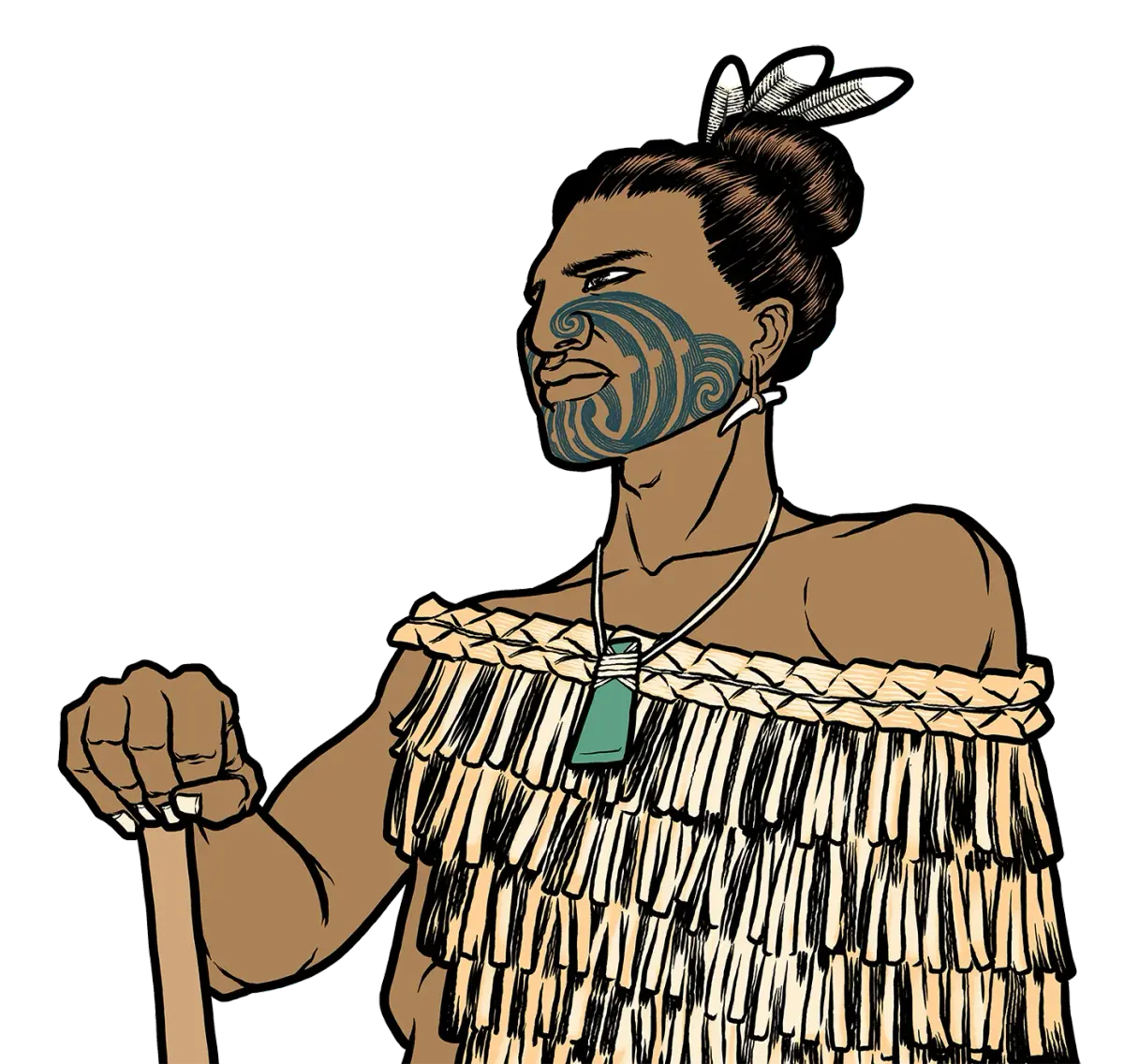
Settling in Te Tauihu
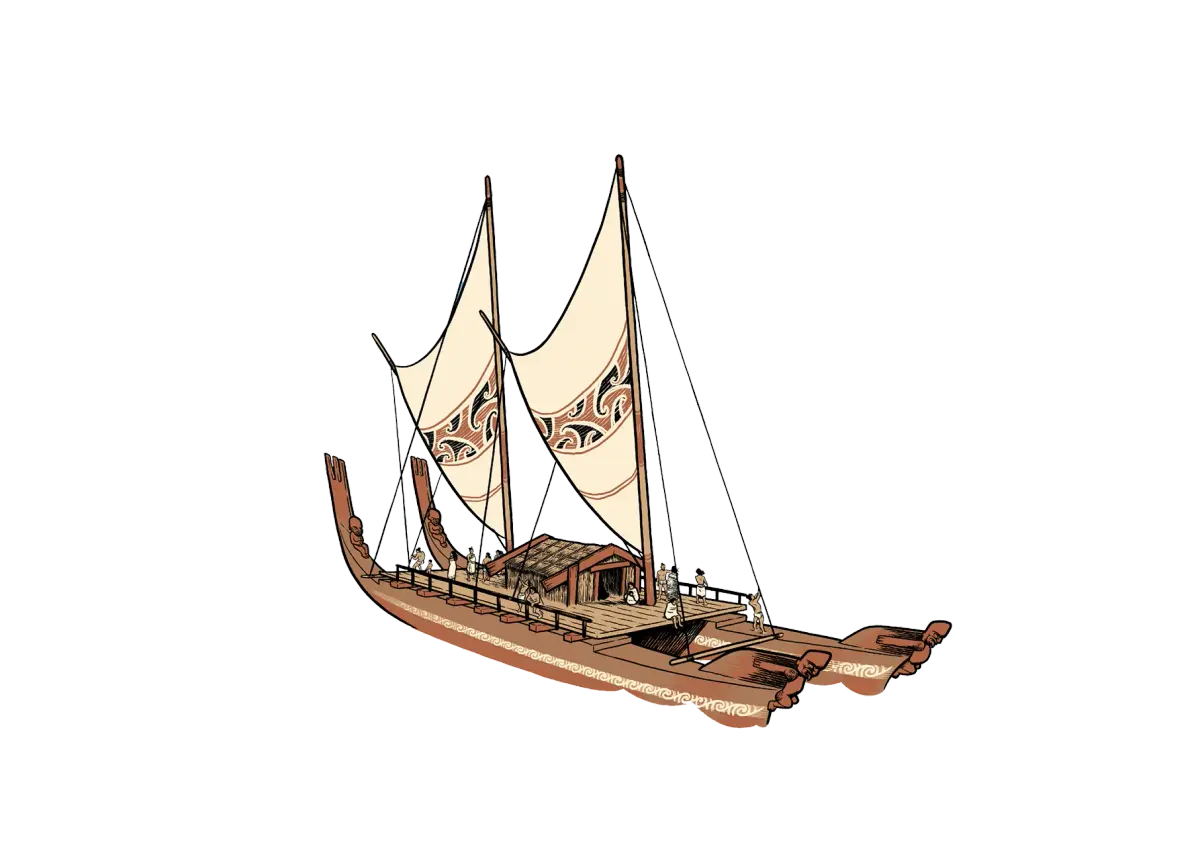
Ngāti Tama trace their roots to the Tokomaru waka from Hawaiki, and take their name from Tamaariki, one of the five co-captains aboard the vessel. Whakapapa of these rangatira and others aboard, the sagas of their journey and eventual establishment in northern Taranaki are preserved in tribal traditions. Intermarriages between the senior lines of Ngāti Tama and other Taranaki and coastal Tainui tribes forged close relations between these groups.
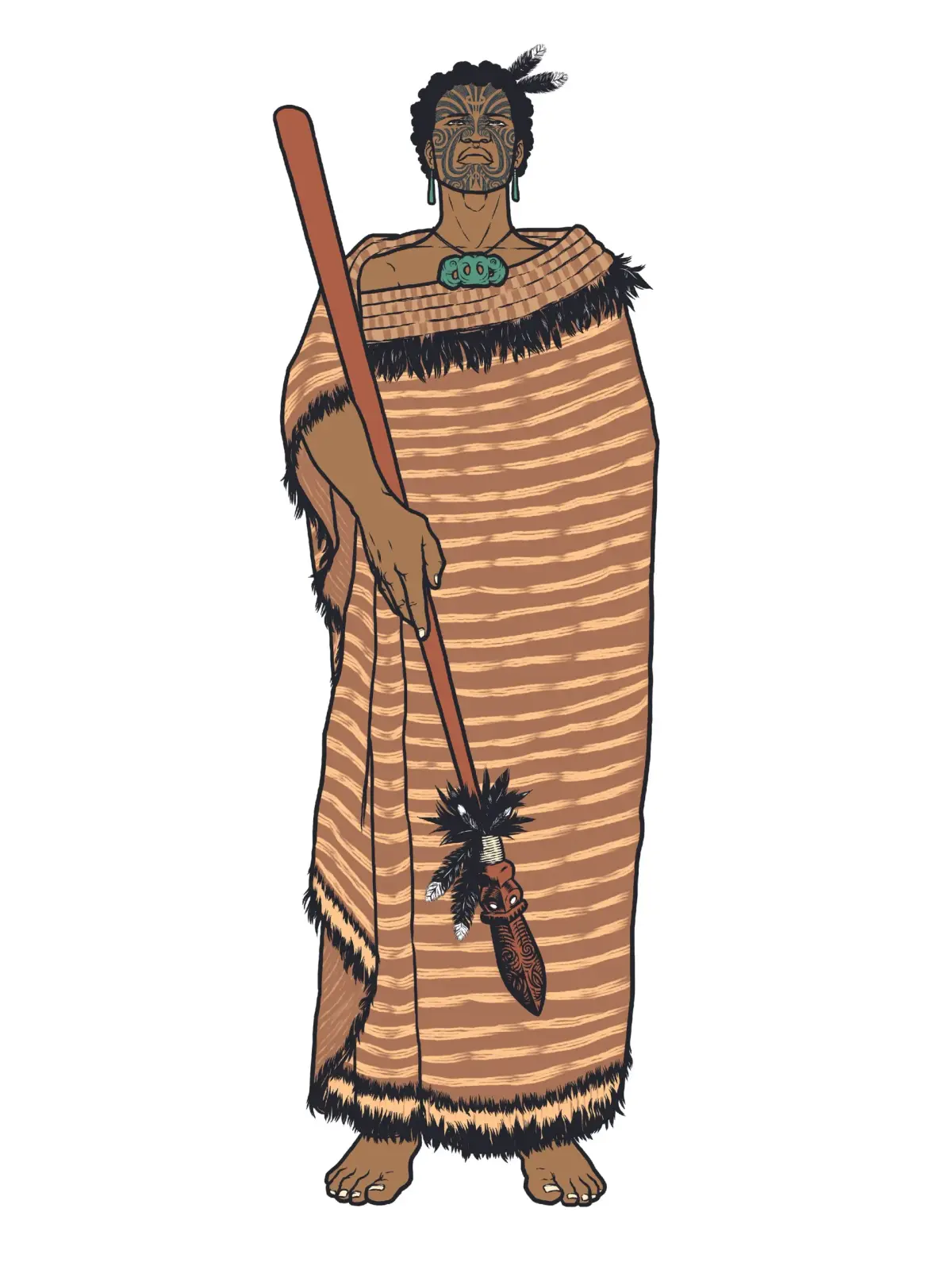
Around 1820 an alliance of Tainui and Taranaki tribes, including some Ngāti Tama under their chief Te Pūoho ki te Rangi, participated in a raid to Te Upoko o Te Ika (southern North Island). By the mid-1820s these tribes had established themselves at Kāpiti Island and on the mainland east and south to Cook Strait. Relationships based on trade, service provision, and marriage, were established with whalers.
Eventually, the Tainui and Taranaki alliance crossed Cook Strait to Te Tauihu o te Waka a Maui. Te Pūoho ki Te Rangi, other Ngāti Tama chiefs, and rangatira from other iwi led the conquest of western Te Tauihu. After the conquest members of the Tainui and Taranaki alliance, including Ngāti Tama, established permanent communities in the northern South Island.
Ngāti Tama established pa and kainga at several localities in Te Tauihu and at some places in northern Te Tai Poutini (Westland). In Te Tauihu, Ngāti Tama's main pā were at Wakapuaka (near Nelson) and at Wainui, Takaka, Tukurua and Parapara in Mohua (Golden Bay). Ngāti Tama used the rich resources available in the districts, including flora, fauna, minerals and kaimoana. Te Puoho revisited Te Upoko o Te Ika (and Taranaki) to maintain rangatiratanga within northern Ngāti Tama communities, and to attend to his land interests.